



Table of Contents
If you have been offered a job working with children, the elderly, or people with disabilities in Canada, there is a good chance your employer has asked for a Vulnerable Sector Check — and that fingerprints may be part of the process. Many applicants are caught off guard by this requirement, unsure of what the check involves, why fingerprints are needed, and how to get it done correctly the first time.
This guide breaks it all down clearly, so you can walk into the process with confidence — whether you are a teacher, social worker, daycare staff, healthcare worker, coach, or volunteer working in a position of trust or authority.
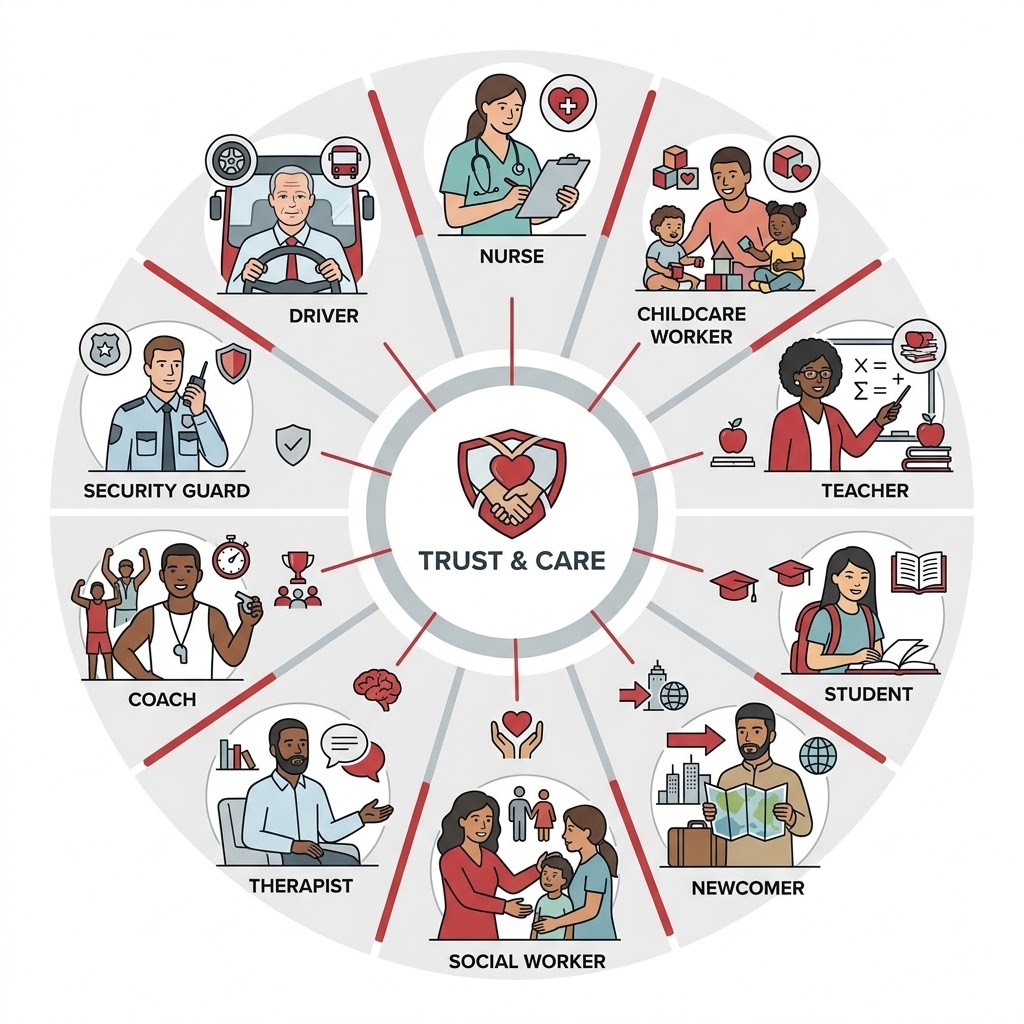
Who Is This Guide For?
This blog is written for:
- Teachers, educators, and school support staff
- Childcare and daycare workers
- Healthcare workers including nurses, PSWs, and therapists
- Social workers and counsellors
- Coaches, camp leaders, and youth program volunteers
- Security guards, bus drivers, and taxi drivers working with vulnerable populations
- Students in work placements or field practicum programs
- Newcomers to Canada starting work in the care or education sector
What Is a Vulnerable Sector Check?
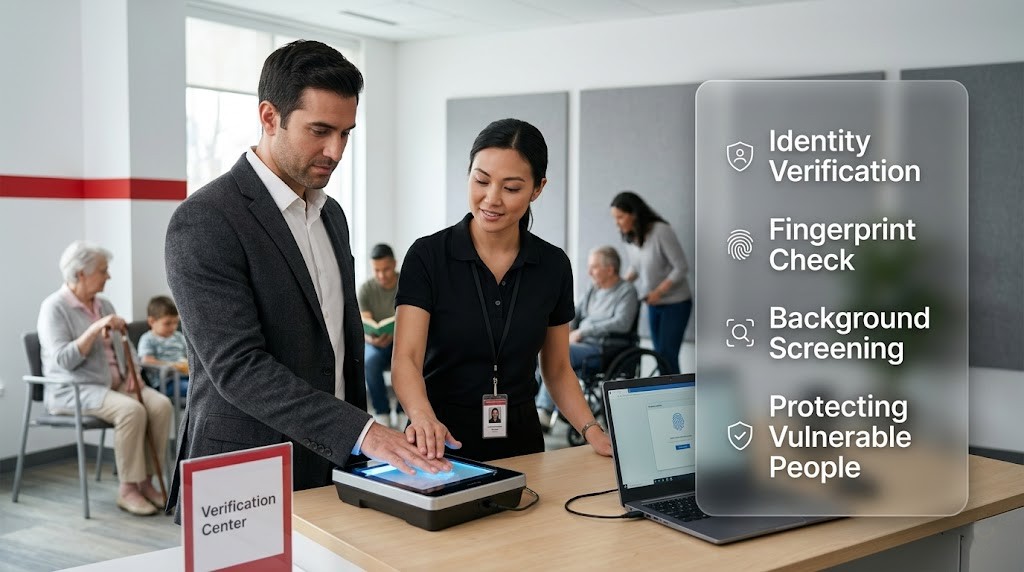
A Vulnerable Sector Check (VSC) is an enhanced criminal record check specifically designed to protect children, the elderly, and persons with disabilities in Canada. It goes beyond a standard criminal record check by also searching for record suspensions (formerly called pardons) related to sexual offences — a category of information not included in regular checks.
According to the Royal Canadian Mounted Police (RCMP), a Vulnerable Sector Check is governed under Section 6.3(3) of the Criminal Records Act and was created in 2000 specifically to safeguard vulnerable populations from individuals in positions of trust or authority. Learn more directly from the RCMP at https://rcmp.ca/en/criminal-records/criminal-record-checks/vulnerable-sector-checks
Who Needs a Vulnerable Sector Check in Canada?

A Vulnerable Sector Check (VSC) is an enhanced criminal record check specifically designed to protect children, the elderly, and persons with disabilities in Canada. It goes beyond a standard criminal record check by also searching for record suspensions (formerly called pardons) related to sexual offences — a category of information not included in regular checks.
According to the Royal Canadian Mounted Police (RCMP), a Vulnerable Sector Check is governed under Section 6.3(3) of the Criminal Records Act and was created in 2000 specifically to safeguard vulnerable populations from individuals in positions of trust or authority. Learn more directly from the RCMP at https://rcmp.ca/en/criminal-records/criminal-record-checks/vulnerable-sector-checks
Common Roles That Require a Vulnerable Sector Check
| Sector | Roles Typically Required | Vulnerable Group |
|---|---|---|
| Education | Teachers, EAs, tutors, supply staff | Children under 18 |
| Healthcare | Nurses, PSWs, therapists, care aides | Elderly, disabled persons |
| Childcare | Daycare workers, nannies, babysitters (employed) | Children under 18 |
| Sports & Recreation | Coaches, camp counsellors, fitness instructors | Children and youth |
| Social Services | Social workers, counsellors, group home staff | All vulnerable persons |
| Transportation | School bus drivers, taxi and transit drivers | Children and vulnerable adults |
| Security | Security guards at care facilities | Elderly and disabled |
| Volunteer Programs | Volunteers with sustained unsupervised access | Children and vulnerable persons |
Why Do Fingerprints Play a Role in a Vulnerable Sector Check?
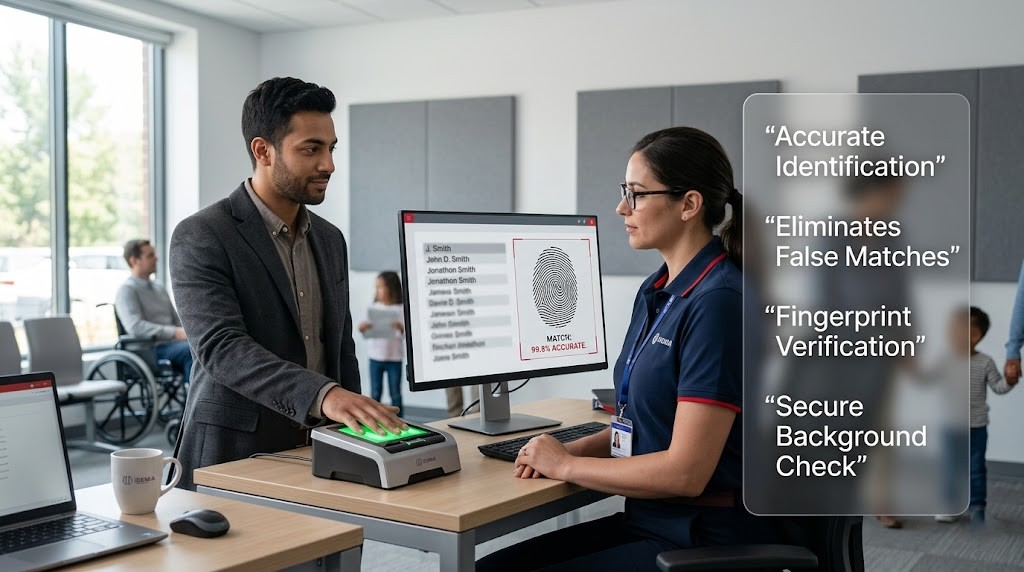
This is where many people are surprised. A standard police information check uses your name and date of birth. But in cases where the RCMP or local police service finds a possible match in the national database — especially for pardoned sexual offences — fingerprints are required to confirm your exact identity.
The RCMP explicitly states that “the use of fingerprints ensures the accuracy of the identification process.” This is critical: a name-based search can produce false positives where someone shares a similar name with a person who has a criminal record. Fingerprints eliminate that risk entirely and protect both you and the employer.
If you have a common name, have changed your name, or were born outside Canada, fingerprinting may be required even if you have no criminal record at all. It is simply the most reliable way to confirm identity.
Read more about fingerprinting for criminal record checks at Lotey Fingerprinting: https://loteyfingerprinting.ca/rcmp-certified-fingerprinting-canada-2025-guide/
How Is a Vulnerable Sector Check Different From a Regular Criminal Record Check?
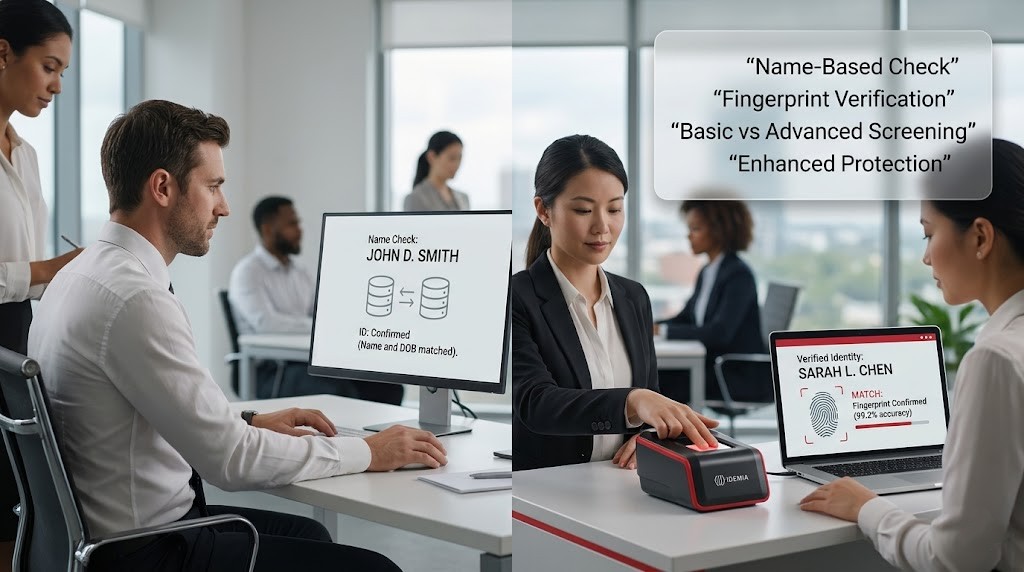
| Feature | Standard Criminal Record Check | Vulnerable Sector Check |
|---|---|---|
| Search type | Name-based | Name-based + fingerprint (if needed) |
| Includes record suspensions? | No | Yes — for sexual offences |
| Local police records | Sometimes | Yes, always |
| Who can request it? | Anyone | Only for qualifying positions of trust/authority |
| Governed by | Privacy laws | Criminal Records Act s.6.3(3) |
| Fingerprints required? | Only for certified checks | Yes, if identity needs confirmation |
For a deeper understanding of ink and roll vs digital fingerprinting methods used in these checks, read: https://loteyfingerprinting.ca/digital-live-scan-fingerprinting-guide-canada/
How Does the Vulnerable Sector Check Process Work?
Here is a step-by-step overview of how the VSC process works in Canada:
- Step 1: Your employer or organization identifies that your role qualifies for a Vulnerable Sector Check.
- Step 2: They provide you with a letter or documentation confirming the position qualifies under the Criminal Records Act.
- Step 3: You contact your local police service or an accredited fingerprinting agency with the required ID and documentation.
- Step 4: A name-based search is conducted first. If no match is found, the check may be completed without fingerprints.
- Step 5: If a potential match is found, you will be asked to submit fingerprints — either ink-and-roll or digital live scan — to confirm your identity.
- Step 6: Fingerprints are sent to the RCMP's Canadian Criminal Real Time Identification Services (CCRTIS) for processing.
- Step 7: Results are returned to the requesting police service, who forwards them to your employer or organization.
For a complete guide to RCMP criminal record checks and how the process works, visit: https://loteyfingerprinting.ca/rcmp-explained/
What Does the RCMP Actually Check in a VSC?
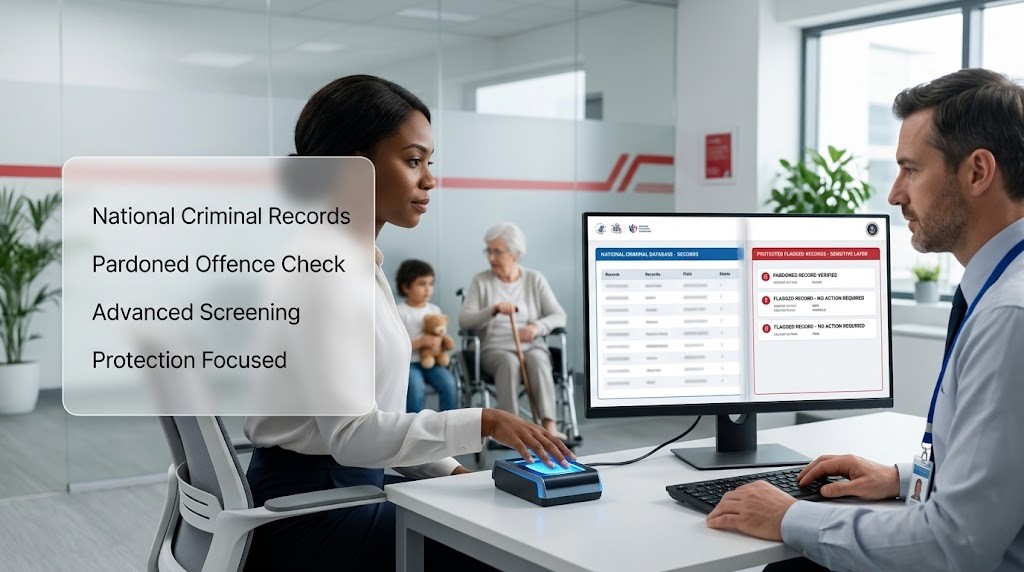
A Vulnerable Sector Check searches across two main areas:
- The RCMP’s national criminal record database — for any convictions on record.
- The automated pardoned sex offender retrieval system — specifically for individuals who were convicted of a sexual offence but received a record suspension or pardon.
The second search is what makes the VSC unique. A pardoned conviction for a non-sexual offence would not appear, but a pardoned sexual offence will show up if you are applying for a position involving trust or authority over children or vulnerable persons. This is by design to ensure the highest level of protection for vulnerable populations.
To understand the difference between a police clearance and a criminal record check, read: https://loteyfingerprinting.ca/police-clearance-vs-criminal-record-check-international-students-canada/
What Happens If Your Fingerprints Return a Match?
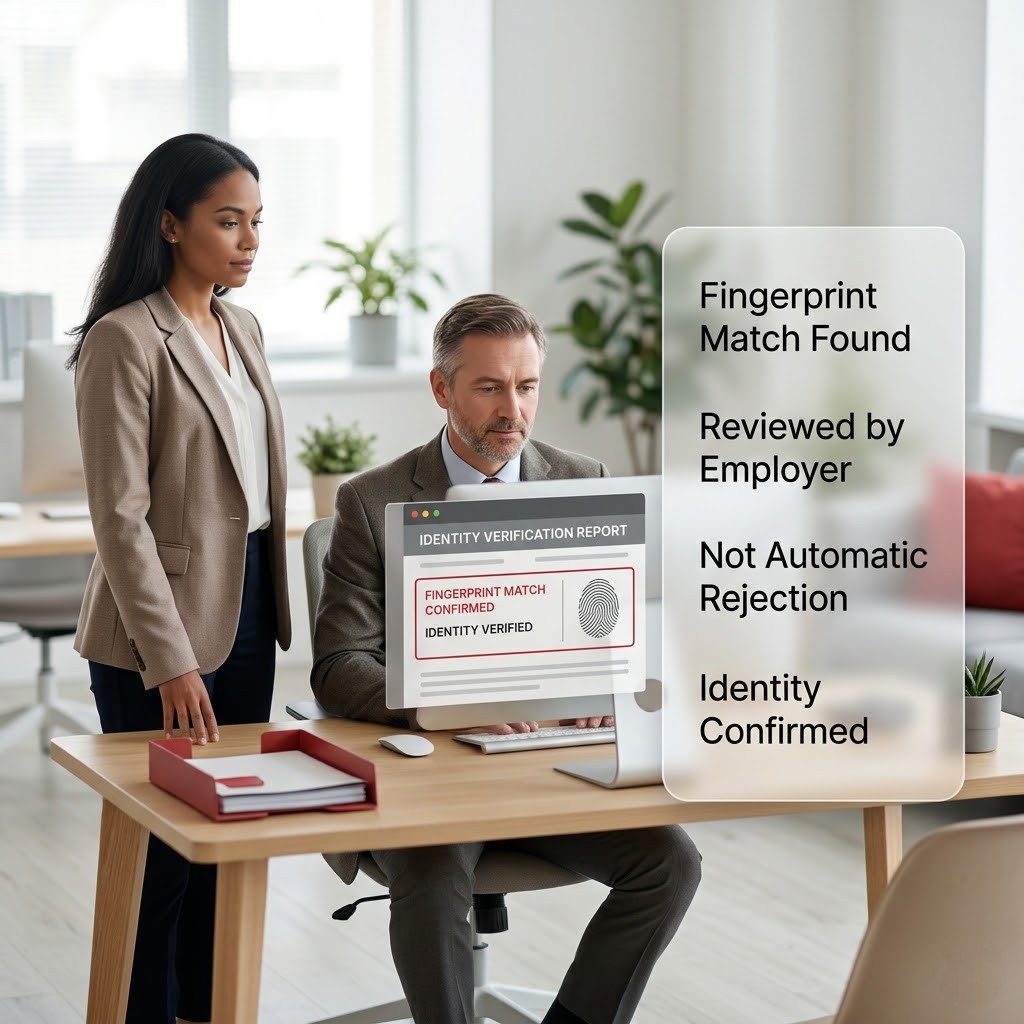
If the RCMP finds a record that matches your fingerprints, the results will include that information in the final report. A match does not automatically disqualify you from a position. The hiring organization will review the nature and severity of the record in the context of the role you are applying for.
If you believe a record is incorrectly attributed to you — for example, due to a name match error — fingerprinting is actually the best way to resolve that, as it provides conclusive biometric proof of identity.
Getting Your Vulnerable Sector Fingerprinting Done in Brampton and the GTA
For residents in Brampton, Mississauga, Toronto, and the broader GTA, Lotey Fingerprinting provides professional, RCMP-accredited fingerprinting services for Vulnerable Sector Check submissions. Our team understands the specific documentation requirements, identity verification standards, and submission process to ensure your fingerprints are accepted on the first attempt.
Whether you need ink-and-roll or digital live scan fingerprinting, we handle the process efficiently and accurately. Learn about our Brampton background check and fingerprinting services: https://loteyfingerprinting.ca/brampton-background-check-fingerprinting/
We also offer mobile fingerprinting for organizations that need multiple staff cleared at once: https://loteyfingerprinting.ca/mobile-fingerprinting-services-canada/
Tips to Prepare for Your Vulnerable Sector Check
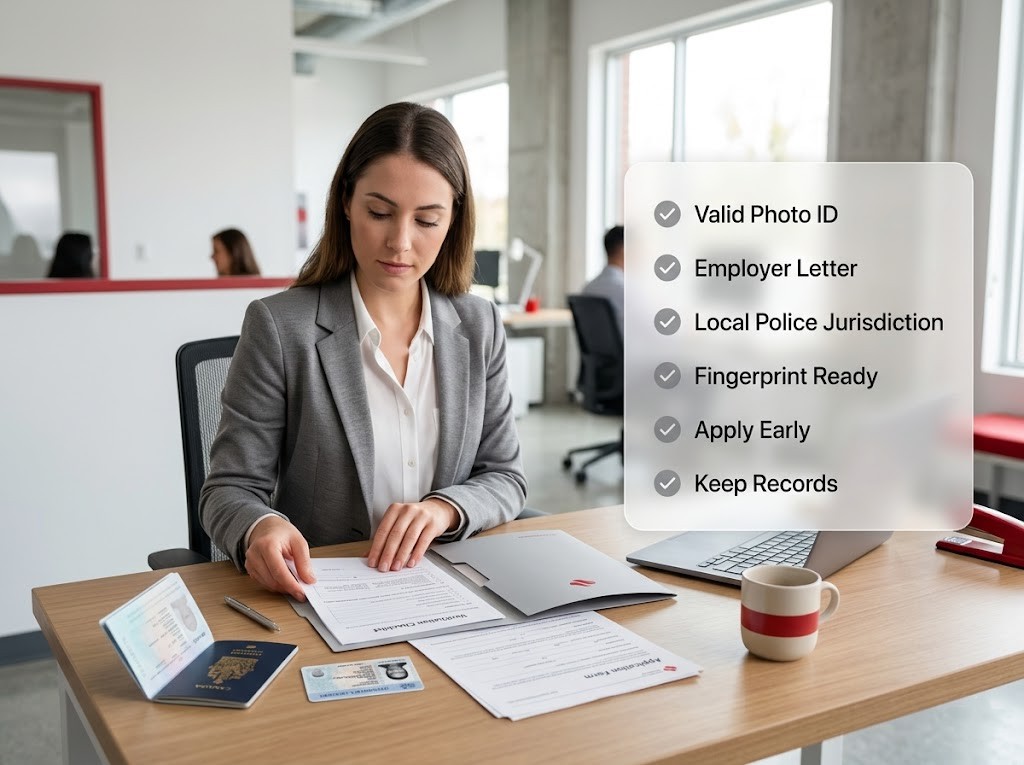
- Bring two pieces of valid government-issued ID — one must be photo ID.
- Obtain the required letter or documentation from your employer confirming the position qualifies.
- Know which police service has jurisdiction over your current address — VSCs must be processed locally.
- If you have a common name or have legally changed your name, expect fingerprints to be required.
- Do not delay — VSC processing takes longer than standard checks due to the additional RCMP search.
- Keep a copy of your results for your records; you may need it for future applications too.
Need Fingerprinting for a Vulnerable Sector Check?
At Lotey Fingerprinting, we help teachers, healthcare workers, childcare professionals, volunteers, and GTA residents get their fingerprinting done accurately and stress-free. Our RCMP-accredited process ensures your submission is handled correctly the first time — so your employer gets the results they need without delays.
FAQ: Your Questions Answered
What is mobile fingerprinting in Canada?
Mobile fingerprinting is a service where RCMP-accredited technicians bring digital LiveScan equipment directly to your workplace, allowing businesses to complete fingerprinting for employees on-site without travel or scheduling delays.
Is mobile fingerprinting accepted by the RCMP?
Yes, mobile fingerprinting uses the same certified digital LiveScan technology as fixed locations and is fully accepted by the RCMP for background checks, vulnerable sector checks, and security clearances.
How long does mobile fingerprinting take for a group?
Most organizations can complete fingerprinting for large groups within 1 to 5 days, depending on team size. Smaller groups can often be completed in just a few hours with on-site sessions.
Which industries benefit most from mobile fingerprinting?
Mobile fingerprinting is ideal for:
- Healthcare & long-term care facilities
- Manufacturing & logistics companies
- Government contractors
- Educational institutions
- Financial services firms
These industries often require bulk hiring and strict compliance, making on-site solutions highly e
Is mobile fingerprinting more cost-effective than traditional meth
Yes. Traditional fingerprinting can cost businesses thousands in lost productivity due to employee travel and scheduling delays. Mobile fingerprinting significantly reduces time loss and improves completion rates.
Can mobile fingerprinting handle urgent hiring needs?
Absolutely. Many providers offer fast turnaround within 24–48 hours, making it ideal for urgent hiring, contract deadlines, or compliance requirements.
Do employees need to travel for mobile fingerprinting?
No. One of the biggest advantages is that employees do not need to travel, saving time and eliminating scheduling conflicts.

Navneet Lotey
Navneet Lotey has over 5 years of experience in fingerprinting. He aims to deliver accurate, easy-to-understand fingerprinting solutions for individuals and businesses alike.