



Table of Contents
Your HR team just received a criminal record check for a promising candidate. It shows a conviction from 2022 — but the record is confusing. The same offence appears to have two different classifications, and you’re not sure if it’s summary or indictable. Your hiring policy treats these differently, but the documentation isn’t clear.
Meanwhile, your security officer flagged something unusual — an employee who went through a judicial referral hearing in 2023 has no record of the violation in CPIC (Canadian Police Information Centre), even though they admitted to breaching bail conditions.
For HR directors, compliance officers, security managers and hiring teams across Canada, this confusion stems from fundamental changes to Canada’s criminal justice system that took effect in 2019. Bill C-75 — officially An Act to amend the Criminal Code, the Youth Criminal Justice Act and other Acts — represents the most significant reform to Canadian criminal law in decades, and it fundamentally changed how criminal records appear on background checks.
Who This Guide Is For
This analysis is designed for decision-makers navigating the changed landscape of Canadian criminal background checks.
By Industry:
- Human Resources Directors and Managers
- Talent Acquisition Leaders
- Compliance Officers and Legal Counsel
- Company Security Officers
- Risk Management Professionals
- Background Screening Coordinators
By Role:
Healthcare and Long-term Care (vulnerable sector screening)
- Financial Services (regulatory compliance)
- Education and Childcare (child protection requirements)
- Manufacturing and Logistics (standard employment screening)
- Professional Services (licensing requirements)
- Any organisation conducting criminal record checks
By Company Size:
Small businesses (50–200 employees) establishing screening policies
- Mid-market organisations (200–1,000 employees) updating procedures
- Enterprise companies (1,000+ employees) ensuring national compliance
Understanding Bill C-75 — The Justice Reform Context
What Problem Was Bill C-75 Designed to Solve?
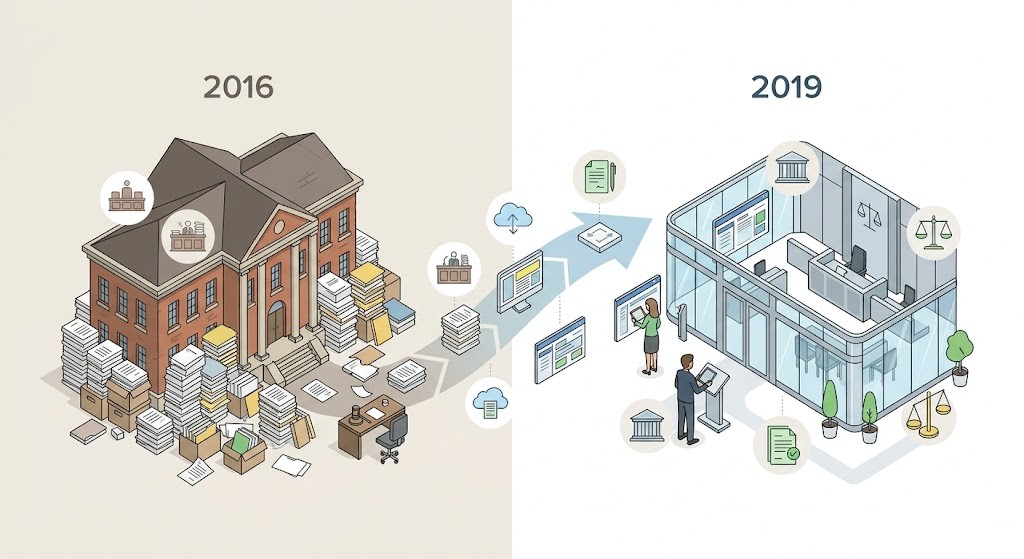
According to Government of Canada justice resources, Canada’s criminal justice system faced a crisis — court delays were denying justice, Indigenous persons and vulnerable populations were overrepresented in the system, and administration of justice offences were clogging courts.
In 2016, the Supreme Court of Canada’s R. v. Jordan decision set strict timelines for criminal trials. The Standing Senate Committee on Legal and Constitutional Affairs released a comprehensive report titled Delaying Justice is Denying Justice documenting systemic problems.
Bill C-75 was Canada’s legislative response — receiving Royal Assent on June 21, 2019, and implemented in stages through December 2019.
The Scale of Reform
According to the Library of Parliament Legislative Summary, Bill C-75 affected:
- 118 offences reclassified from straight indictable to hybrid
- All summary conviction maximum penalties standardised
- Bail system modernisation affecting hundreds of thousands annually
- New processes for administration of justice offences
For employers conducting background checks, these changes fundamentally altered what appears on RCMP-certified criminal record checks.
The Five Critical Changes Affecting Background Checks
Change 1 — Hybrid Offence Reclassification: What It Means for Criminal Records

According to the Library of Parliament Legislative Summary, Bill C-75 hybridised 118 criminal offences that were previously straight indictable offences. These offences can now be prosecuted either as:
- Indictable offences (more serious classification), OR
- Summary conviction offences (less serious classification)
The decision is made by Crown prosecutors based on the specific circumstances of each case.
Affected Offences Include:
| CATEGORY | EXAMPLE OFFENCES NOW HYBRID |
|---|---|
| Property Crimes | Theft over $5,000, possession of stolen property |
| Public Order | Mischief, causing disturbance |
| Fraud & Deception | Fraud under certain thresholds, forgery |
| Obstruction | Obstructing justice, perjury |
| Sexual Offences | Certain lower-level sexual offences |
| Regulatory | Various regulatory and administrative offences |
For HR Professionals: The same offence may appear as indictable for one individual and summary for another. Your hiring policies may need to consider how the Crown proceeded, not just the conviction itself.
Key Insight: According to CanLII legal resources, hybridisation doesn’t reflect the seriousness of the offence itself, but rather “the degree of seriousness of the actual commission of that offence, taking into consideration all of the circumstances.”
Change 2 — Summary Conviction Maximum Penalties Increased: Immigration Consequences
Bill C-75 increased the default maximum penalty for summary conviction offences from 6 months to 2 years less a day imprisonment.
According to Canadian Civil Liberties Association analysis, this seemingly procedural change created significant collateral consequences:
| Aspect | Before Bill C-75 | After Bill C-75 |
|---|---|---|
| Maximum Summary Penalty | 6 months imprisonment | 2 years less a day |
| Immigration Consequence Threshold | Sentence of 6 months can trigger inadmissibility | Many more summary convictions now meet threshold |
| Removal Risk | Limited to serious indictable offences | Summary convictions can now have immigration consequences |
For Employers: If you hire internationally or employ permanent residents, understand that convictions that appear as minor summary convictions may now carry serious immigration consequences — potentially affecting their ability to remain in Canada or travel internationally. For employees navigating immigration processes alongside background checks, Lotey Travels provides guidance for newcomers planning their relocation to Canada.
Change 3 — Fingerprinting Requirements for Hybrid Offences Preserved
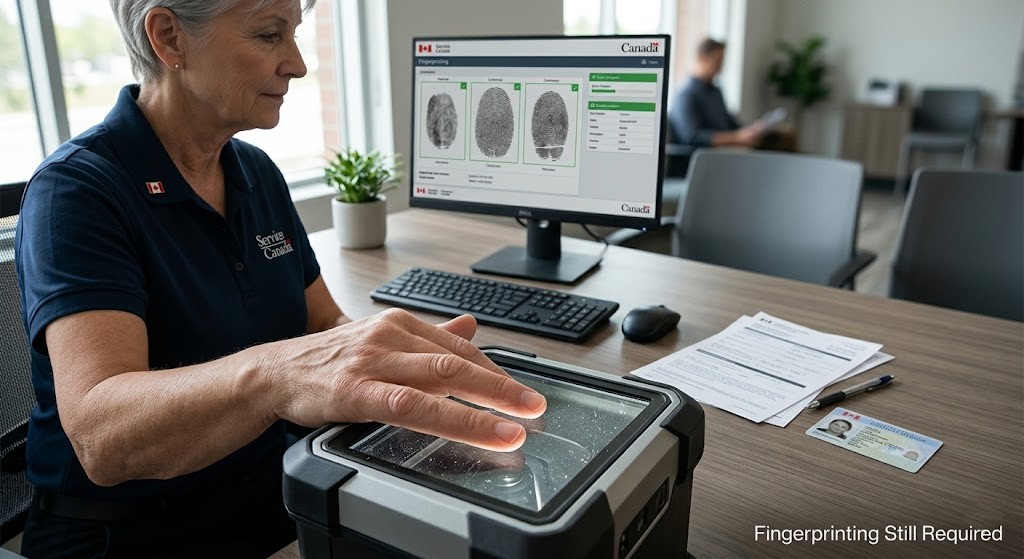
The Original Problem: When Bill C-75 was initially proposed, it would have created a gap in fingerprinting. Under the Identification of Criminals Act, fingerprints were historically taken for indictable offences. If 118 offences became hybrid and were proceeded with summarily, fingerprints wouldn’t be taken.
The Senate Amendment: The Senate adopted an amendment (Clause 388) to clarify that fingerprints can still be taken for hybrid offences even when the Crown elects to proceed summarily.
| Scenario | Fingerprints Taken? | Appears on RCMP Check? |
|---|---|---|
| Hybrid offence — Crown proceeds by indictment | Yes | Yes |
| Hybrid offence — Crown proceeds summarily | Yes (after Bill C-75 amendment) | Yes |
| Pure summary offence (never indictable) | No | Yes (name-based only) |
For Employers: This amendment ensures comprehensive criminal record checks remain available, but understanding prosecution method becomes more important when assessing severity.
For more context on fingerprinting requirements and common misconceptions, see our detailed guide: Does Getting Fingerprinted Mean You Have a Criminal Record? Debunking the #1 Fear.
Need to book an RCMP fingerprinting appointment? Our accredited team processes submissions for both hybrid and indictable matters with full documentation.
Change 4 — Judicial Referral Hearings: The CPIC Gap

What Are Judicial Referral Hearings?
According to the Bill C-75 Charter Statement, judicial referral hearings are an alternative mechanism for dealing with certain administration of justice offences (AOJOs) such as:
- Failure to appear in court
- Breaching bail conditions (e.g., missing curfew, drinking alcohol)
- Non-compliance with release orders
The Critical Difference: Individuals who go through judicial referral hearings do not have those violations entered into CPIC (the Canadian Police Information Centre) — the database that feeds RCMP criminal record checks.
| Process | Entered in CPIC? | Appears on Background Check? | Creates Criminal Record? |
|---|---|---|---|
| Traditional AOJO Charge | Yes | Yes (if convicted) | Yes (if convicted) |
| Judicial Referral Hearing | No | No | No |
For Employers: This creates a potential gap in background screening. Your organisation may need to supplement RCMP checks with reference checks, employment verification and other screening methods to identify patterns of non-compliance.
For guidance on how different types of criminal records appear on background checks, see: 7 Dangerous Myths About Criminal Record Checks in Canada That Could Cost You a Job.
Change 5 — Bail Reform: Principle of Restraint and Vulnerable Populations

Bill C-75 legislated a principle of restraint requiring that:
- Release at the earliest opportunity is favoured over detention
- The least onerous conditions are imposed
- Particular consideration is given to Indigenous accused and vulnerable populations
According to Government of Canada bail reform resources, Indigenous people and vulnerable populations — including those with mental illnesses or addictions — were disproportionately impacted by onerous bail conditions.
| Statistic | Figure |
|---|---|
| Administration of Justice Offences (2015–2016) | 350,000 charges |
| Failure to Comply with Order | 175,170 charges (largest category) |
| Percentage of Criminal Court Cases Including AOJO | 40% |
Source: Statistics Canada data
For Hiring Decisions: Understanding that someone has an AOJO conviction may now require more nuanced analysis — were the original bail conditions reasonable? Was the individual from a vulnerable population subject to overly restrictive conditions?
Industry-Specific Implications

Healthcare and Vulnerable Sector Employers
Vulnerable sector checks are mandatory for healthcare workers, childcare providers and anyone working with vulnerable populations. Bill C-75’s changes don’t eliminate these requirements, but they affect interpretation.
What You Need to Know:
- Hybrid offences proceeded summarily still appear on vulnerable sector checks
- Judicial referral hearings for AOJOs won't appear — potential screening gap
- Convictions from 2020 may show different classifications than pre-2019 offences
Best Practice: Establish clear policies distinguishing between conviction types and consider the circumstances of each case rather than blanket exclusions.
Financial Services and Regulatory Compliance
Many financial services regulations prohibit hiring individuals with certain criminal convictions. Understanding how Bill C-75 changed offence classification is critical for compliance.
What You Need to Know:
- Regulatory definitions of "indictable offence" may need updating
- Summary conviction for a formerly indictable offence may still violate policies written before 2019
- Immigration consequences of summary convictions affect international hiring
Best Practice: Review and update hiring policies to reflect current offence classifications, and consult legal counsel on regulatory interpretation.
Manufacturing, Logistics and General Employers
What You Need to Know:
- Basic criminal record checks still show convictions
- Classification (summary vs. indictable) may be less clear than previously
- CPIC gaps from judicial referral hearings mean checks may not be comprehensive
Best Practice: Combine RCMP criminal record checks with robust reference checking and employment verification.
Regional Context — Ontario and Brampton Considerations

Ontario Human Rights Code Interaction
According to the Ontario Human Rights Commission, Ontario’s Human Rights Code prevents discrimination based on pardoned convictions — but does NOT protect unpardoned criminal records.
How Bill C-75 Affects This:
- Summary conviction records are still criminal records under the Code
- Employers can still legally refuse to hire based on unpardoned summary convictions
- However, the reasonableness of exclusion may be scrutinised more carefully
Brampton's Diverse Workforce
With Brampton’s 52.9% immigrant population, understanding Bill C-75’s immigration consequences is particularly important:
- Many Brampton workers are permanent residents, not citizens
- Summary convictions with 2-year maximums can trigger immigration inadmissibility
- Employers may need to consider immigration status when evaluating conviction impact
For newcomers navigating both fingerprinting and relocation, Lotey Fingerprinting works alongside immigration preparation services. If you are relocating to the Niagara region after arrival, explore homes available for newcomers in Niagara as part of your settlement planning.
For business compliance guidance as you establish operations in Ontario, Empowered Consulting provides HR and operational support for growing organisations.
Best Practices for Employers Post-Bill C-75
Based on analysis of government contractor operations and security officer resources, leading organizations implement these strategies:

Update Hiring Policies and Procedures
Action Steps:
- Review policies written before 2019 for outdated language
- Update references to “indictable vs. summary” to reflect hybrid offences
- Establish guidelines for evaluating conviction circumstances, not just classifications
- Train hiring managers on Bill C-75 changes
Implement Multi-Layered Screening
Beyond RCMP Checks:
- Comprehensive reference checks to identify patterns judicial referrals won’t show
- Employment verification to identify employment gaps
- Education verification for regulated professions
- Driver’s abstract for transportation positions
Establish Individualised Assessment Protocols
| Step | Assessment Question |
|---|---|
| 1. Relevance | Is the conviction directly related to the job duties or responsibilities? |
| 2. Recency | How long ago did the conviction occur? |
| 3. Rehabilitation | What evidence of rehabilitation exists since the conviction? |
| 4. Circumstances | Were there mitigating factors such as the Bill C-75 bail reform context? |
| 5. Risk | Does the conviction present a genuine risk to workplace safety or trust? |
Partner with Knowledgeable Fingerprinting Providers
RCMP-accredited fingerprinting agencies understand Bill C-75’s technical requirements and can ensure:
- Proper submission for hybrid offences
- Correct documentation for vulnerable sector checks
- Compliance with Identification of Criminals Act amendments
At Lotey Fingerprinting Services, we stay current with every legislative change affecting RCMP criminal record checks. As an RCMP-accredited provider, we ensure your organisation receives complete, compliant background screening.
For international workers and newcomers navigating these requirements, see our comprehensive resource: Police Clearance Certificate vs. Criminal Record Check — What International Students in Canada Actually Need.
Common Misconceptions About Bill C-75 and Background Checks

Misconception 1 — “Hybrid offences are less serious”
Reality: Hybridisation reflects prosecutorial flexibility, not inherent offence severity. A hybrid offence proceeded summarily may still represent serious misconduct.
Misconception 2 — “Summary convictions post-2019 are minor”
Reality: Maximum penalties increased to 2 years less a day — many now carry serious consequences including immigration inadmissibility.
Misconception 3 — “Judicial referral hearings mean no criminal record”
Reality: While true, this creates a CPIC gap. Absence of AOJO convictions doesn’t guarantee compliance with court orders.
Misconception 4 — “Bill C-75 made screening less reliable”
Reality: RCMP checks remain comprehensive for convictions. The judicial referral CPIC gap requires supplemental screening methods — it doesn’t render RCMP checks unreliable.
Misconception 5 — “We can ignore Bill C-75 if we use third-party screening”
Reality: All Canadian background checks are affected. Third-party providers access the same RCMP databases subject to Bill C-75 changes.
Looking Forward — Future Criminal Justice Reforms
According to Government of Canada justice reform resources, Bill C-75 was described as “the beginning of a culture change” rather than comprehensive reform.
Areas Still Under Discussion:
- Mandatory minimum sentence reform
- Record suspension accessibility (following fee reduction success)
- Further bail system refinement
- Administration of justice offence decriminalization
For Employers: Staying informed about criminal justice reform isn’t just good compliance — it’s strategic workforce planning. As the system evolves, so too must screening practices.

Key Takeaways

- Bill C-75 received Royal Assent June 21, 2019 and fundamentally changed criminal offence classification
- 118 straight indictable offences became hybrid offences giving Crown prosecutors more flexibility
- Summary conviction maximum penalties increased from 6 months to 2 years less a day
- Senate amendment ensured fingerprinting continues for hybrid offences even when proceeded summarily
- Judicial referral hearings create CPIC gaps — violations aren’t entered into criminal record databases
- Immigration consequences increased for summary convictions due to higher maximum penalties
- Bail reform emphasised restraint particularly for Indigenous and vulnerable populations
- Offence classification is now contextual, not absolute — same crime can be summary or indictable
- Multi-layered screening is essential to address judicial referral hearing gaps
- Policy updates are necessary for organisations with pre-2019 hiring procedures
External Resources — Official Information
Legislative Resources
- Government of Canada — Reducing Delays and Modernizing the Criminal Justice System — Official Bill C-75 overview
- Parliament of Canada — Bill C-75 Full Text — Complete legislation
- Library of Parliament Legislative Summary — Comprehensive analysis
Criminal Record Check Resources
- RCMP Criminal Record Checks — Official RCMP guidance
- Justice Canada Charter Statement — Bill C-75 — Constitutional analysis
- Identification of Criminals Act — Fingerprinting legislative authority
- Parole Board of Canada — Record Suspensions — Pardon timelines and process
Legal Analysis Resources
- CanLII — Bill C-75 Legislative Summary — Legal professional resource
- Canadian Civil Liberties Association — Bill C-75 Analysis — Independent analysis
Let's Discuss Your Screening Needs
At Lotey Fingerprinting Services, we stay current with legislative changes affecting RCMP criminal record checks. As an RCMP-accredited provider, we understand how Bill C-75 changed fingerprinting requirements for hybrid offences and can help ensure your organisation receives complete, compliant background screening.
Whether you’re updating hiring policies, establishing new screening protocols or need guidance on Bill C-75’s practical implications — we’re here to support your compliance objectives.
Explore your options: Contact us to discuss how we can support your organization's security clearance objectives.
FAQ: Your Questions Answered
How do I know if a conviction happened before or after Bill C-75 took effect?
Bill C-75’s offence reclassification provisions came into force on September 19, 2019. Convictions dated September 2019 or later will reflect the new hybrid offence structure. However, the conviction date matters more than the offence date — someone convicted in 2020 for an offence committed in 2018 would still be sentenced under the new regime. Check the conviction date on the RCMP criminal record check to determine which rules applied.
Do judicial referral hearings apply to all administration of justice offences?
No. According to Bill C-75, judicial referral hearings only apply to specific AOJOs where the failure hasn’t caused harm to victims — such as failing to appear or breaching bail conditions. Serious violations or those involving victim impact would still be processed through traditional criminal charges.
Can employees who went through judicial referral hearings work in positions requiring criminal record checks?
Yes. Since judicial referral hearings don’t create CPIC entries, these individuals will have clean criminal record checks (assuming no other convictions). However, they may need to disclose the judicial referral hearing if directly asked about court appearances or bail violations on application forms.
How should we update job applications and consent forms to reflect Bill C-75?
Consider revising questions from “Have you ever been convicted of an indictable offence?” to “Have you ever been convicted of a criminal offence?” This captures both indictable and summary convictions. For consent forms, add language acknowledging that hybrid offences may be classified differently depending on prosecution method. Consult legal counsel for jurisdiction-specific requirements.
Does Bill C-75 affect vulnerable sector checks differently than basic criminal record checks?
The core mechanism remains the same — vulnerable sector checks search both CPIC and the pardoned sex offender registry. However, the CPIC gap from judicial referral hearings affects vulnerable sector checks identically to basic checks. Organisations requiring vulnerable sector checks should implement additional screening measures. Book a vulnerable sector fingerprinting appointment to ensure compliant processing.
Are there constitutional challenges to Bill C-75 that might change these rules?
According to CanLII legal commentary, various aspects of Bill C-75 have faced scrutiny, but the offence reclassification and fingerprinting provisions have remained stable since 2019. Criminal law evolves through court decisions — organisations should stay informed and consult legal resources for current interpretations.
How does Bill C-75 interact with record suspensions (pardons)?
Bill C-75 doesn’t change the record suspension process. According to the Parole Board of Canada, individuals convicted of hybrid offences still follow standard timelines — 5 years after completing sentence for summary convictions, 10 years for indictable convictions. The key change is determining which timeline applies based on how the Crown proceeded.
What should we do if we've already made hiring decisions based on pre-Bill C-75 understanding?
Consider reviewing policies prospectively for future hires rather than retroactively re-screening current employees. If your organisation excluded candidates based on indictable offence classifications that are now hybrid, consult employment law counsel. Document any policy changes clearly and apply them consistently going forward. For staying current on Canadian business compliance, Anterpreneur offers resources for entrepreneurs and business leaders navigating regulatory change.

Navneet Lotey
Navneet Lotey has over 5 years of experience in fingerprinting. He aims to deliver accurate, easy-to-understand fingerprinting solutions for individuals and businesses alike.
This content is provided for informational purposes and reflects our understanding of Bill C-75 based on official government resources and legal analysis. Criminal justice legislation continues to evolve through court decisions and policy changes. Always consult official government resources and legal professionals for advice specific to your organisation’s compliance requirements.
Written by the Lotey Fingerprinting Services Team | RCMP-Accredited Provider | Serving Ontario and the Niagara Region