


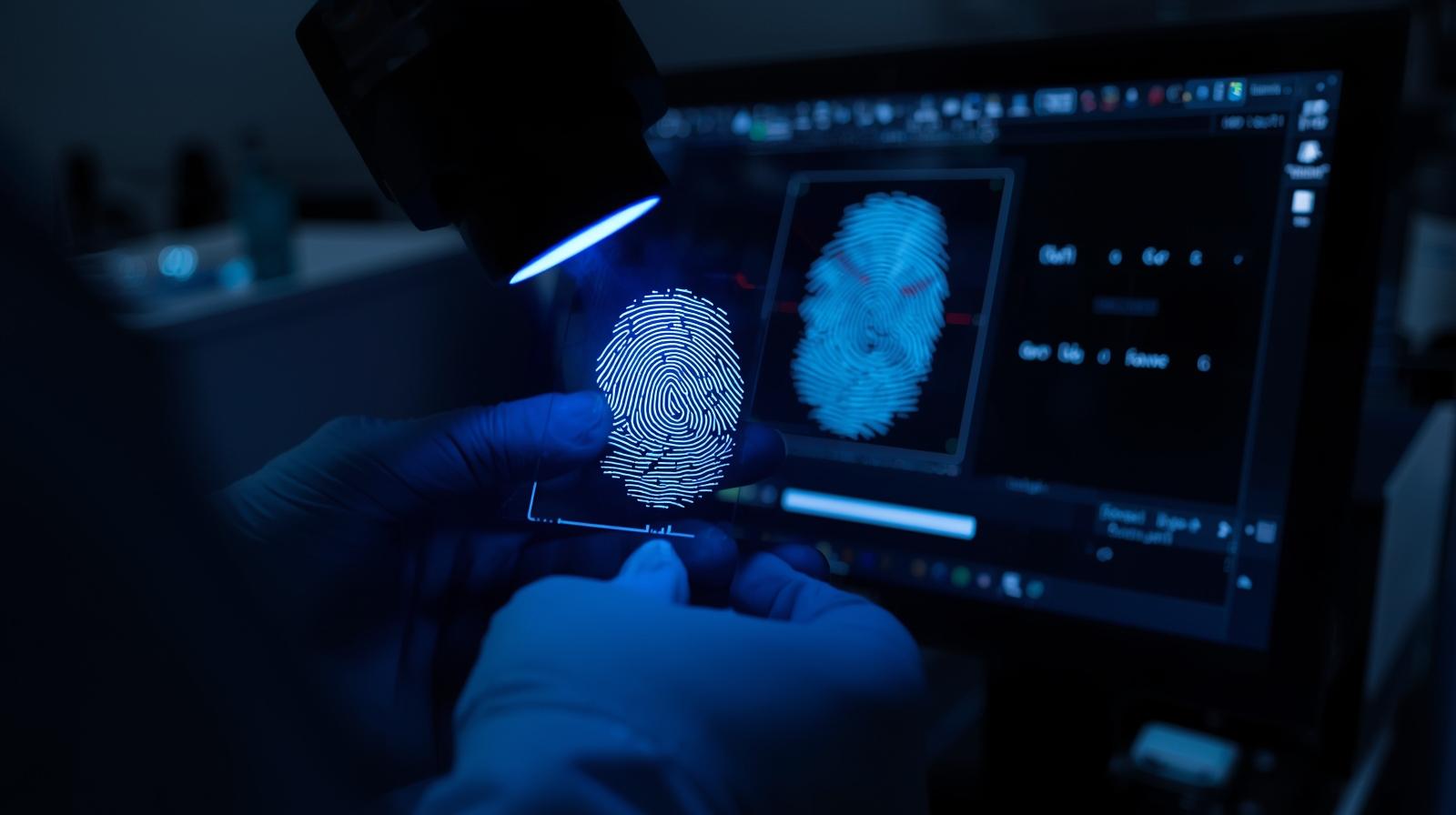
The Hollywood Illusion
In Mission: Impossible, Ethan Hunt presses his thumb onto a scanner using a stolen fingerprint mask. In Gattaca, Vincent Freeman burns his fingertips daily to avoid detection. In Ocean’s Eleven, the crew creates fake fingerprint molds to breach high-security vaults. Hollywood has sold us an enticing fantasy: that fingerprints are just patterns on skin—temporary, malleable, erasable.
But here’s the forensic reality that crime dramas don’t tell you: fingerprints are nearly impossible to permanently erase, and criminals who try usually make identification easier, not harder.
At Lotey Fingerprinting Services, we work with RCMP-certified fingerprinting technology daily, and one of the most common questions we get is: “How permanent are fingerprints really?” Let’s separate Hollywood fiction from forensic science and explore why your fingerprints are one of the most reliable identifiers you possess.
The Science of Permanence: Why Fingerprints Are Forever
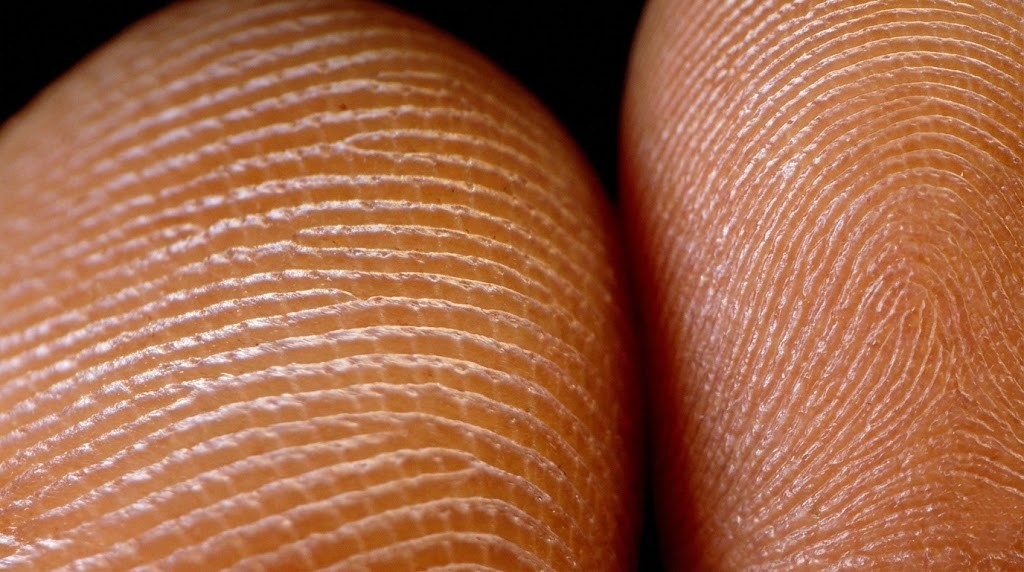
When Do Fingerprints Form?
According to scientific research resources published in Cell (2023), fingerprint development is remarkably early and astonishingly stable:
Fingerprint Development Timeline:
| Gestational Week | Developmental Stage | Permanence |
|---|---|---|
| Week 10 | Ridges begin forming on fingertips | Not yet permanent |
| Week 17 | Ridge patterns fully formed | Permanent for life |
| Week 24–Birth | Patterns refine and mature | No change to core pattern |
| Birth–Death | Same exact pattern maintained | Only size changes |
Source: Cell Journal Research Resources, 2023; MedlinePlus Genetics Resources, 2024
By the 17th week of pregnancy—long before you take your first breath—your fingerprints are locked in. They’ll remain unchanged for your entire life, surviving:
- Burns and cuts (unless extremely deep)
- Aging and skin changes
- Weight gain or loss
- Environmental exposure
The Three-Layer Mystery: Epidermis, Dermis, and Why Criminals Fail
To understand why fingerprints are so permanent, you need to understand skin anatomy according to dermatological resources:
Skin Layer Structure:
| Layer | Depth | Contains Fingerprint Pattern? | Regenerates? |
|---|---|---|---|
| Epidermis (outer layer) | 0.05–1.5 mm | ✅ Yes – visible ridges | ✅ Yes – constantly |
| Basal Layer (middle) | Junction point | ✅ YES – PERMANENT TEMPLATE | ❌ No – fixed pattern |
| Dermis (deep layer) | 1–4 mm | ✅ Yes – foundational structure | ❌ No – permanent |
Source: ScienceABC Dermatoglyphics Resources, 2023; National Museum of Crime and Punishment Resources
The critical insight: Your fingerprint pattern isn’t just on the surface—it’s encoded at the interface between the dermis and epidermis. According to forensic science resources, the pattern is nearly permanent and cannot be destroyed by superficial skin injuries.The critical insight: Your fingerprint pattern isn’t just on the surface—it’s encoded at the interface between the dermis and epidermis. According to forensic science resources, the pattern is nearly permanent and cannot be destroyed by superficial skin injuries.
Think of it like a mold: even if you damage the surface casting, the mold underneath remains intact. This is why criminals who burn, cut, or acid-etch their fingertips inevitably fail—the pattern template runs too deep.
Hollywood's Greatest Hits: Debunking Movie Myths
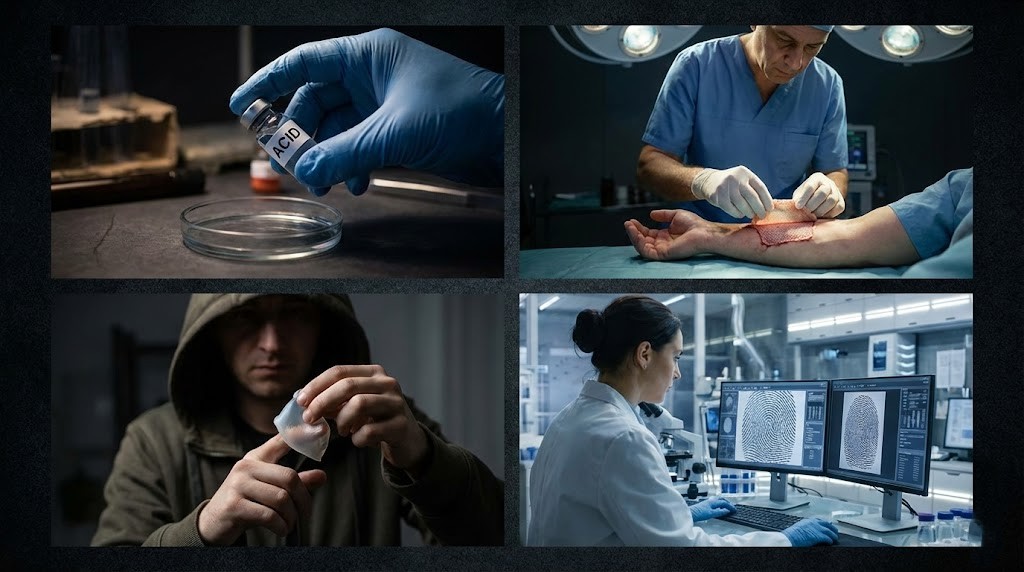
Myth #1: "You Can Burn Off Your Fingerprints with Acid"
The Movie Version: A criminal dips their fingers in acid, screams dramatically, and emerges fingerprint-free.
The Forensic Reality: According to FBI resources and historical criminal case studies, acid burns only destroy the epidermis (outer layer). The basal layer template remains intact, and fingerprints regenerate in the exact same pattern.
Real-world failure rate: 100% (no documented case of successful permanent erasure via acid)
Myth #2: "Skin Grafts Can Give You New Fingerprints"
The Movie Version: A skilled surgeon grafts skin from another body part onto fingertips, creating new prints.
The Forensic Reality: Even if you graft chest skin onto fingertips (as criminal Robert Phillips did in 1941), forensic examiners can still identify you using:
- The surrounding ridge areas (palm prints)
- The distinctive graft scar pattern (more unique than normal prints!)
- Fingerprints on other finger joints
Myth #3: "You Can Wear Fake Fingerprint Masks to Fool Scanners"
The Movie Version: A thin silicone mask with fake fingerprints easily defeats high-tech biometric systems.
The Forensic Reality: Modern LiveScan technology (used by RCMP-accredited agencies like Lotey Fingerprinting) detects:
- Liveness indicators (blood flow, temperature, conductivity)
- Depth and pressure patterns (real skin vs. artificial material)
- Multiple biometric factors (ridge clarity, sweat pores, minutiae depth)
According to digital fingerprinting resources, defeating modern biometric scanners is exponentially more difficult than movies suggest.
Myth #4: "Identical Twins Have Identical Fingerprints"
The Movie Version: Twins use their identical prints to commit the perfect crime.
The Forensic Reality: According to research published in Cell (2023) and confirmed by MedlinePlus Genetics resources, even identical twins have different fingerprints.
Why? While genes influence the basic pattern (whorl, arch, loop), the fine details are determined by:
- Fetal position in the womb
- Umbilical cord length
- Blood pressure variations
- Nutrition during development
- Rate of finger growth
- Random developmental chaos
According to scientific resources, no two fingerprints are exactly alike—not even from the same person’s different fingers—making each print truly unique.
For more information about fingerprint uniqueness and why getting fingerprinted doesn’t mean you’re being accused of anything, read our blog: Does Getting Fingerprinted Mean You Have a Criminal Record?
The Criminal Hall of Shame: Real Attempts to Erase Fingerprints
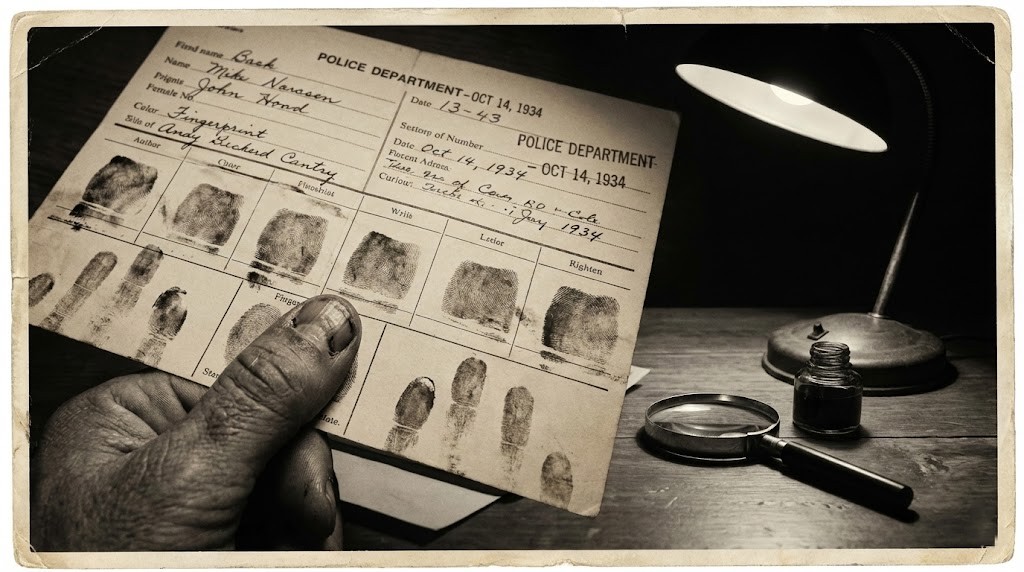
Case Study #1: John Dillinger (1903-1934) - The Acid Failure
| Action Taken | Method Used | Outcome |
|---|---|---|
| Removed outer skin layer | Cut away epidermis | Temporary damage only |
| Applied acid to fingertips | Hydrochloric acid treatment | Severe pain, no permanent erasure |
| Scraped remaining ridges | Manual abrasion | Ridge patterns still visible |
| Post-mortem fingerprint exam | Forensic comparison | Positive match to previous prints |
According to historical forensic resources, prints taken during Dillinger’s previous arrest and upon death still exhibited almost complete relation to one another.
Case Study #2: Alvin "Creepy" Karpis (1907-1979) - The "Successful" Failure
Who he was: Member of the infamous Barker-Karpis gang, one of the “Public Enemies” of the 1930s.
What he tried: In 1933, hired “mob doctor” Joseph Moran to surgically remove his fingerprints. Moran repeatedly cut and hacked at Karpis’s fingertips until only faint ridge lines remained.
Initial result: The most “successful” fingerprint obliteration attempt in criminal history—ridge details were barely visible.
| Intended Result | Actual Outcome |
|---|---|
| Destroy fingerprints permanently | FBI still identified him using partial ridge details |
| Prevent future identification | Mutilation scars became a unique identifying feature |
| Remove legal record traceability | Palm prints remained fully intact |
| Avoid future documentation issues | Unable to obtain passport due to invalid fingerprints |
Ironic twist: Moran, the surgeon, was murdered by his own clients (likely Karpis and Fred Barker) when he drunkenly bragged about his power over gang members. His body washed up in Crystal Beach, Ontario in 1935.
Case Study #3: Robert Phillips (1941) - The Skin Graft Disaster
What he tried: Following advice from Dr. Howard L. Updegraff (who consulted for FBI Director J. Edgar Hoover), Phillips underwent the “only permanent” fingerprint obliteration method: grafting skin from his chest onto his fingertips.
The result: According to forensic resources and historical criminal records:
- Chest skin did cover fingertips (no ridges on grafted areas)
- BUT surrounding ridge areas remained identifiable
- AND other finger joints (with intact ridges) identified him
- PLUS the distinctive graft scar patterns became unique identifiers themselves
According to the Journal of Criminal Law and Criminology resources (1935), Phillips discovered that ruining fingertip skin doesn’t preclude fingerprint identification—ridges on the palm are equally unique.
Case Study #4: Jose Izquierdo (2009) - The Z-Pattern Innovation
What he tried: A modern twist—cut Z-shaped incisions into each finger, lifted and switched the two flaps, then stitched them together.
The result: According to FBI Automated Fingerprint Identification System resources:
- The mutilation created distinctive scar patterns
- FBI still matched the prints to arrest records
- The attempt itself became an identifier—anyone willing to mutilate their prints that severely is immediately suspicious
Statistical Reality: Modern Fingerprint Mutilation Attempts
| Time Period | Known Cases | Success Rate | Detection Method |
|---|---|---|---|
| 1930s (Gangster Era) | ~20 documented | 0% | Visual matching, palm prints |
| 2000–2010 | 50+ cases | 0% | Advanced digital databases |
| 2010–2020 | 100+ cases (FBI reported increase) | 0% | Automated systems, partial print analysis |
Source: FBI Resources 2010; The Mob Museum Archives; Journal of Criminal Law and Criminology Resources
According to Massachusetts State Police resources (2009), at least 20 individuals were arrested with modified prints in a single year—all were successfully identified despite mutilation.
Why Criminals Make Identification EASIER, Not Harder
Reason #1: Unique Scar Patterns
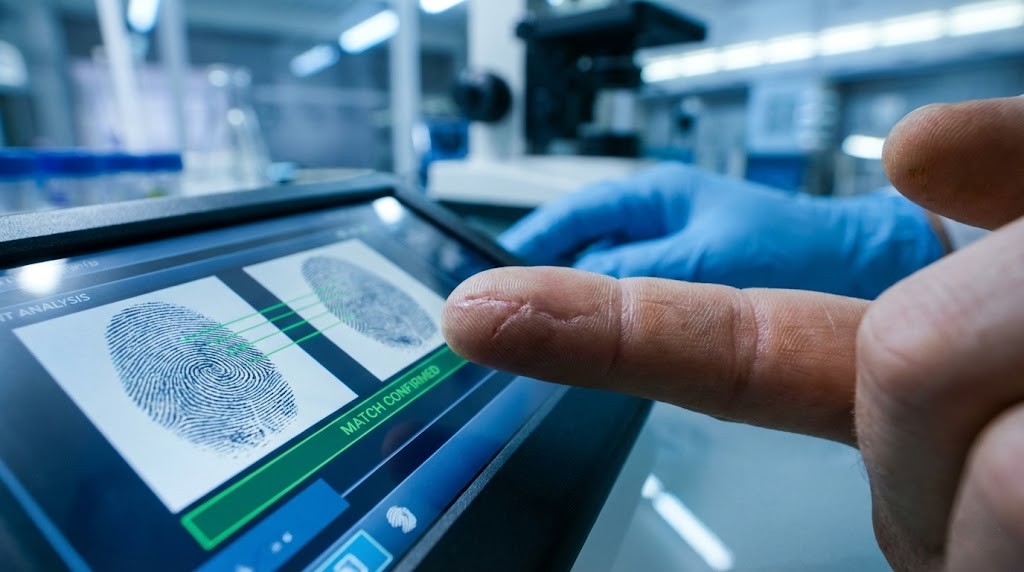
The principle: Natural fingerprints are extremely common (billions of people have them). Intentional mutilation scars are rare and distinctive.
According to forensic resources, introducing scars onto fingers makes identification easier since scar patterns are unique and less common to the general population.
Reason #2: Surrounding Areas Remain Intact
What criminals forget:
- Fingerprint ridges extend across the entire palm surface
- They’re present on all finger joints, not just fingertips
- They appear on toes and foot soles as well
Forensic reality: Even if you successfully obliterate fingertip centers, forensic resources confirm that palm prints are equally unique and usable for identification.
Reason #3: Suspicious Appearance Triggers Investigation
According to law enforcement resources, mutilated fingerprints raise an immediate red flag:
- “Why would an innocent person obliterate their fingerprints?”
- Investigators pay closer attention to mutilated prints
- The attempt itself suggests consciousness of guilt
- Combined with other identification methods, it’s essentially pointless
Reason #4: Modern Database Technology
The FBI’s Automated Fingerprint Identification System (AFIS) can identify individuals with only:
- A few distinct ridge details (not complete prints)
- Partial prints from crime scenes
- Faint traces where criminals think they’ve succeeded
- Edge fragments from mutilated prints
According to forensic technology resources, advances in digital analysis mean severely damaged prints that couldn’t be identified 15 years ago are now routinely matched to known records.
The Scientific Breakthrough: How Fingerprints Actually Form
The Turing Pattern Theory
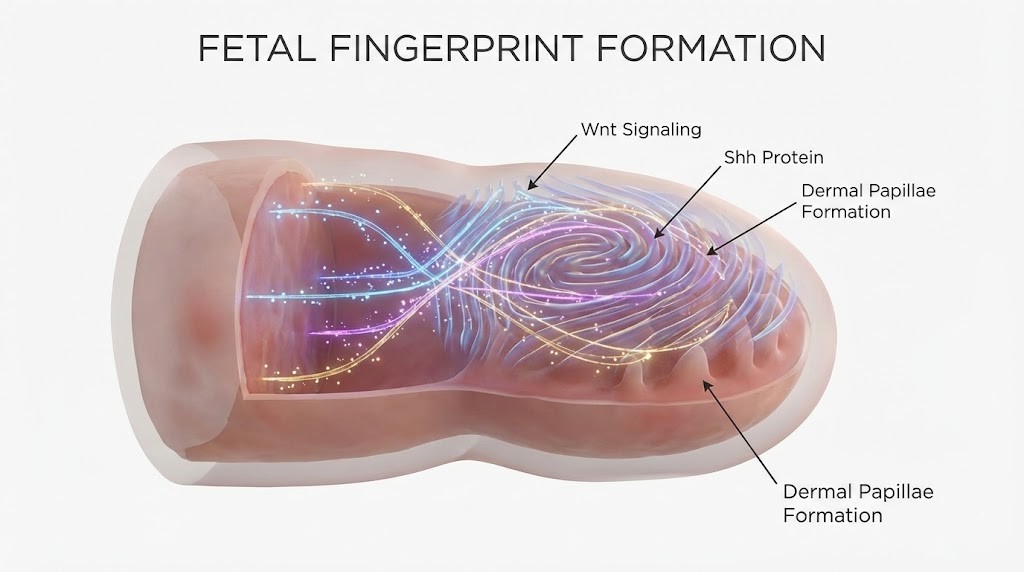
In 2023, a groundbreaking study published in Cell revealed the biological mechanism behind fingerprint formation. According to research resources from University of Edinburgh and Columbia University scientists:
Three Chemical Signaling Families Create Fingerprints:
| Signaling Pathway | Function | What Happens If Disrupted |
|---|---|---|
| WNT | Promotes ridge formation | Knockout = no ridges form at all |
| BMP | Controls ridge spacing and width | Knockout = ridges become wider |
| EDAR | Determines ridge pattern | Mutation = polka-dot pattern instead of stripes |
Source: Cell Journal Research, 2023; University of Edinburgh Resources
Key insight: These three pathways work together following “Turing patterns”—the same mathematical principles that create stripes on zebras and spots on leopards. The opposing relationship between WNT and BMP creates the characteristic ridge-and-valley structure.
Why This Matters for Permanence
According to scientific resources, the individual uniqueness of fingerprints comes from “minute elements of the pattern”—long ridges that stop, ridges that split in two, or short ridges called islands. These form during weeks 10-17 of gestation and are influenced by:
- Exact finger shape at that moment
- Precise timing of skin growth
- Random biochemical fluctuations
- Unique pressure conditions in the womb
Bottom line: Your fingerprints aren't programmed by DNA alone—they're influenced by countless unpredictable developmental factors. This makes them both permanent (can't be changed after formation) and unique (virtually impossible to duplicate).
The 2024 AI Revelation: Are Fingerprints REALLY Unique?
The Columbia University Study That Shocked Forensics
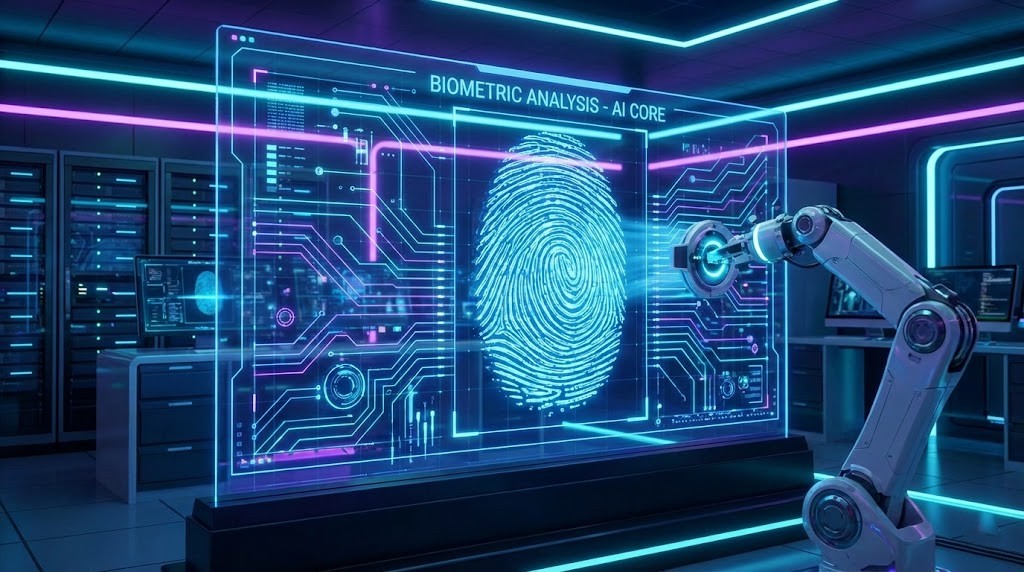
In January 2024, a team led by Columbia Engineering student Gabe Guo published research in Science Advances that challenged a century of forensic assumptions. According to the study resources:
What they discovered:
- AI could match different fingerprints from the same person (different fingers) with 77% accuracy
- Traditional forensics assumed intra-person fingerprints were unmatchable
- The AI wasn’t using traditional “minutiae” (ridge endpoints and branches)
- Instead, it used angles and curvatures of swirls and loops in the center of prints
What this means:
- Fingerprints from your different fingers are more similar than previously believed
- But they’re still unique enough that the chance of two people sharing identical prints is estimated at less than one in 64 billion
- According to research resources, it would take more than a million years for two people with identical fingerprints to appear by chance in Scotland Yard’s database
Source: Science Advances Journal Resources, 2024; Columbia Engineering Resources; CNN Science Resources, 2024
The Forensic Community Response
According to forensic science resources and expert analysis:
- Some forensic scientists were skeptical, arguing the AI rediscovered known correlations
- Others praised the research for challenging assumptions
- The discovery won’t replace traditional fingerprint identification (77% isn’t sufficient for legal decisions)
- But it could help generate new leads in cold cases where different fingers were used
The takeaway: Even the latest AI research confirms fingerprints remain highly reliable identifiers—the debate is only about correlations between a person’s own fingers, not duplication between different people.
Modern Forensic Technology: Why Erasure Is Futile
Digital LiveScan vs. Traditional Ink
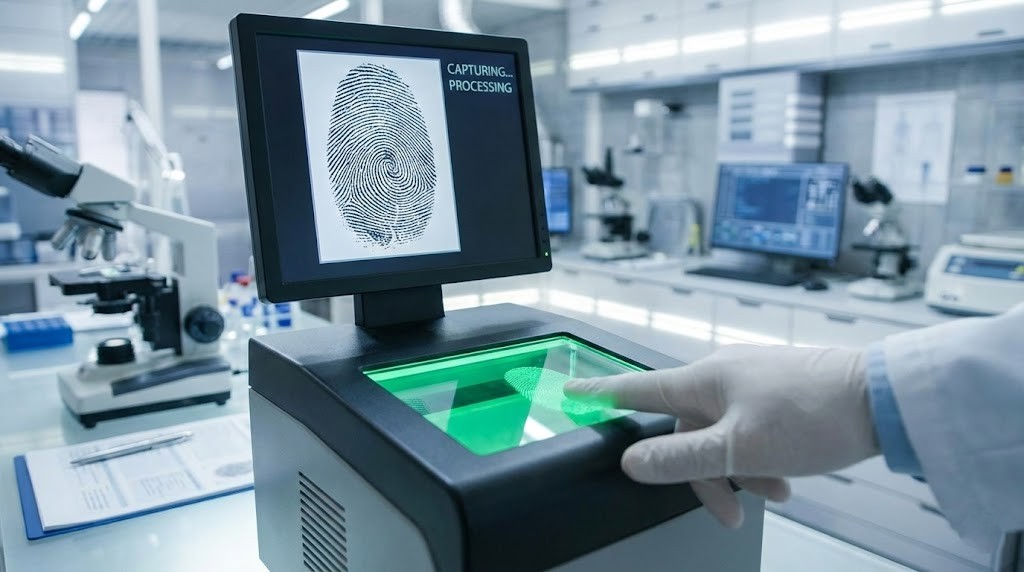
At RCMP-accredited agencies like Lotey Fingerprinting Services, we use digital LiveScan technology that makes fingerprint capture exponentially more sophisticated than the ink-and-paper methods criminals tried to defeat in the 1930s.
Technology Comparison:
| Feature | 1930s Ink Method | Modern LiveScan |
|---|---|---|
| Image Quality | Grayscale, often smudged | High-resolution 500+ DPI |
| Capture Method | Physical ink transfer | Optical scanning |
| Detail Detection | Manual visual inspection | Automated minutiae detection |
| Liveness Detection | None | Temperature, conductivity, blood flow |
| Partial Print Analysis | Difficult or impossible | AI-enhanced reconstruction |
| Database Matching | Manual comparison | Automated AFIS matching |
Source: RCMP Fingerprinting Technology Resources; FBI AFIS System Resources
What Modern Systems Detect
According to biometric technology resources:
- Liveness indicators: Living tissue vs. artificial materials (temperature, electrical conductivity, blood flow)
- Depth mapping: Three-dimensional ridge structure (not just surface patterns)
- Sweat pore locations: Unique features invisible to naked eye
- Pressure gradients: How ridges compress under touch (impossible to fake)
- Minutiae clustering: Statistical analysis of ridge pattern density
Bottom line: Even if you could somehow create a perfect physical fake fingerprint (you can’t), modern biometric scanners would detect it’s not living tissue.
The Surprising Animals With Fingerprints
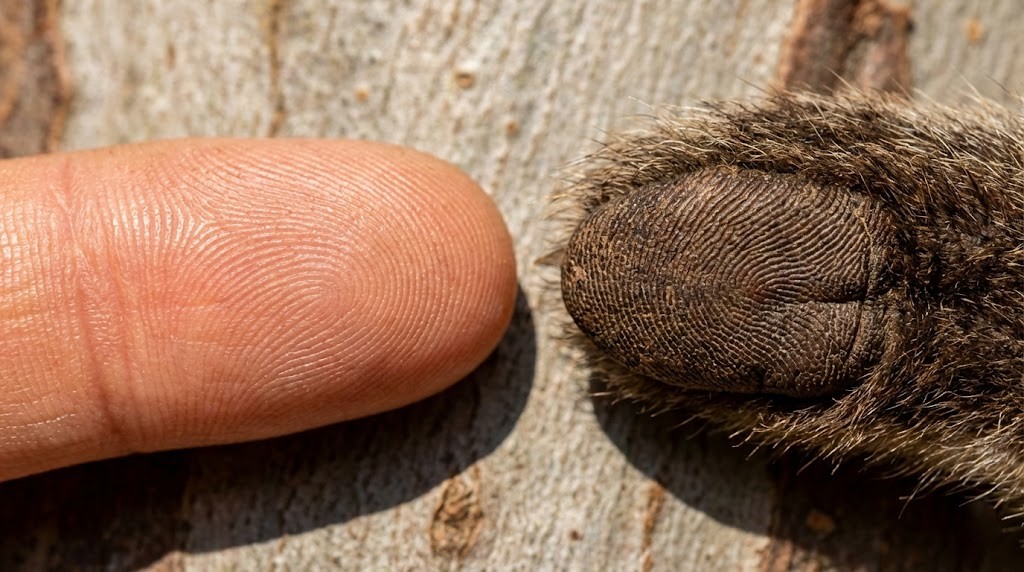
Here’s a fascinating forensic twist: humans aren’t the only species with fingerprints. According to zoological research resources:
Animals With Unique Fingerprints:
| Species | Where Prints Found | Function | Unique? |
|---|---|---|---|
| Humans | Fingertips, palms, toes, soles | Grip, tactile sensitivity | ✅ Yes |
| Chimpanzees | Fingertips, palms | Tree climbing, tool use | ✅ Yes |
| Gorillas | Fingertips, palms | Grip | ✅ Yes |
| Koalas | Fingertips, paws | Eucalyptus tree climbing | ✅ Yes (remarkably similar to humans) |
Source: Wikipedia Fingerprint Resources; Science Journal Resources
Why this matters: The independent evolution of fingerprints across unrelated species (primates and marsupials) suggests they serve a critical biological function—improving grip and enhancing touch sensitivity. This evolutionary importance is why they’re so deeply embedded in our biology and nearly impossible to erase.
The Bottom Line: Hollywood vs. Reality
What Hollywood Gets Wrong
❌ Fingerprints can be easily burned off
❌ Acid permanently destroys prints
❌ Skin grafts give you new fingerprints
❌ Fake fingerprint masks fool modern scanners
❌ Criminals successfully erase their identity
❌ Identical twins have identical fingerprints
❌ Fingerprints are just surface-level patterns
What Forensic Science Confirms
✅ Fingerprints form at 17 weeks gestation and never change
✅ Patterns are encoded deep in skin layers (epidermis AND dermis)
✅ Superficial damage heals back to original pattern
✅ Modern technology makes erasure virtually impossible
✅ Criminals who try make identification easier, not harder
✅ Palm prints and other finger joints provide backup identification
✅ Even identical twins have unique fingerprints
✅ Fingerprint uniqueness: less than 1 in 64 billion chance of duplication
Key Takeaways: The Science of Permanence
📌 Fingerprints form by week 17 of fetal development—and remain unchanged for life
📌 The pattern is encoded at the dermis-epidermis interface—not just the surface layer
📌 Every documented criminal attempt to erase fingerprints has failed—100% failure rate over 90+ years
📌 Mutilation makes identification easier—scars are more distinctive than natural prints
📌 Modern LiveScan technology is exponentially more sophisticated—detects liveness, depth, and microscopic features
📌 Palm prints provide backup identification—ridges extend across entire hand surface
📌 Even partial prints can identify individuals—modern databases need only a few ridge details
📌 The chance of two people having identical fingerprints: less than 1 in 64 billion—more unique than your DNA profile
📌 Scientific resources confirm permanence—decades of dermatological research support forensic applications
📌 Hollywood dramatically understates fingerprint permanence—entertaining, but forensically inaccurate
Resources: Learn More About Fingerprint Science
For those interested in diving deeper into fingerprint science and forensic technology, consult these official resources:
Scientific Research Resources:
- Cell Journal: Fingerprint Pattern Formation (2023) - Groundbreaking research on biological mechanisms
- Science Advances: AI Fingerprint Study (2024) - Columbia University intra-person fingerprint research
- MedlinePlus Genetics: Fingerprint Determination - NIH resources on genetics and development
- ScienceABC: Why Are Fingerprints Unique? - Accessible explanation of fingerprint science
Forensic and Historical Resources:
- FBI Fingerprint Resources - Official FBI automated fingerprint identification systems
- The Mob Museum: Fingerprint Mutilation History - Historical criminal attempts archive
- Smithsonian: The Myth of Fingerprints - Historical development of fingerprint identification
- National Museum of Crime & Punishment Resources - Criminal justice and forensic science archives
Get Professional RCMP-Certified Fingerprinting
Understanding the science behind fingerprints makes it clear why professional, accredited fingerprinting services matter. At Lotey Fingerprinting Services, we use state-of-the-art LiveScan technology to ensure:
✅ Highest Quality Capture—Digital technology for maximum accuracy
✅ RCMP Accreditation—Official, recognized results
✅ Expert Technicians—Trained in proper fingerprinting protocols
✅ Fast Electronic Submission—3-5 day processing for clear records
✅ Secure Data Handling—Encrypted transmission to RCMP systems
✅ Convenient Brampton Location—Serving the GTA’s diverse communities
Whether you need fingerprinting for employment, immigration, licensing, or vulnerable sector checks—trust the experts who understand the forensic science behind it.
- Call: (+1) 905-840-9100
- Email: info@loteyfingerprinting.ca
- Book Online: https://loteyfingerprinting.ca/
FAQ: Your Questions Answered
Can you permanently erase your fingerprints?
No. Fingerprints are formed before birth and remain permanent for life. Even if the outer skin is damaged by cuts or burns, the underlying pattern regenerates in the same design unless the injury destroys deep skin layers.
Do fingerprints grow back after being burned or cut?
Yes. If the damage is superficial, fingerprints grow back in their original pattern. Only extremely deep injuries that destroy the dermis layer may cause scarring—but even then, surrounding ridge details remain identifiable.
Has anyone successfully removed their fingerprints?
No documented case has permanently succeeded. Historical criminals who attempted acid burns, surgical removal, or skin grafts were still identified through partial prints, palm prints, or scar patterns.
Are fingerprints really unique?
Yes. Scientific research estimates the chance of two people having identical fingerprints is less than 1 in 64 billion. Even identical twins have different fingerprints due to developmental differences in the womb.
Can modern fingerprint scanners detect fake fingerprints?
Yes. Modern biometric systems like LiveScan detect liveness indicators such as temperature, blood flow, skin conductivity, and 3D ridge depth—making silicone or artificial fingerprint masks ineffective.
Can police identify someone from partial fingerprints?
Absolutely. Forensic systems like AFIS can match individuals using only a small portion of a fingerprint, as long as enough ridge details (minutiae points) are present.
Does getting fingerprinted mean you have a criminal record?
No. Fingerprinting is commonly required for employment, immigration, licensing, and background checks. It does not imply criminal activity—it is simply a standard identity verification process.
Do fingerprints change with age?
The pattern itself does not change. However, aging, manual labor, or certain medical conditions may make ridges less visible. Advanced forensic technology can still extract identifying features from worn prints.

Navneet Lotey
Navneet Lotey has over 5 years of experience in fingerprinting. He aims to deliver accurate, easy-to-understand fingerprinting solutions for individuals and businesses alike.
References and Scientific Resources
This article is based on peer-reviewed scientific research and verified forensic resources:
- Cell Journal. (2023). The developmental basis of fingerprint pattern formation and variation. Retrieved from https://www.cell.com/cell/fulltext/S0092-8674(23)00066-X
- Science Advances. (2024). Intra-person fingerprint comparison using deep contrastive learning. Columbia University Engineering Resources.
- MedlinePlus Genetics. (2024). Are fingerprints determined by genetics? NIH Resources. Retrieved from https://medlineplus.gov/genetics/understanding/traits/fingerprints/
- Smithsonian Magazine. (2019). The Myth of Fingerprints. Retrieved from https://www.smithsonianmag.com/science-nature/myth-fingerprints-180971640/
- ScienceABC. (2023). Why Do We Have Fingerprints And Why Are They Unique? Retrieved from https://www.scienceabc.com/innovation/why-are-fingerprints-unique-and-why-do-we-have-them.html
- Wikipedia. (2026). Fingerprint. Comprehensive forensic science resources. Retrieved from https://en.wikipedia.org/wiki/Fingerprint
- The Mob Museum. (2018). Leave no trace: Fingerprint Mutilation. Historical criminal case resources. Retrieved from https://themobmuseum.org/blog/leave-no-trace/
- Crime Museum. (2022). John Dillinger: Fingerprint Obliteration. Retrieved from https://www.crimemuseum.org/
- Journal of Criminal Law and Criminology. (1935). Attempts to Alter and Obliterate Finger-Prints. Northwestern University Scholarly Commons Resources.
- Mental Floss. (2022). When the Mob Turned to Plastic Surgeons to Erase Their Fingerprints. Retrieved from https://www.mentalfloss.com/article/655337/mob-plastic-surgeons-erase-fingerprints
- CNN Science. (2024). Are fingerprints unique? Not really, AI-based study says. Retrieved from https://www.cnn.com/2024/01/12/world/fingerprints-ai-based-study-scn
- BBC Science Focus. (2024). Your fingerprints aren’t unique after all, discovers AI. Retrieved from https://www.sciencefocus.com/news/fingerprints-not-unique-ai
- The Aesthetic Guide. (2024). When the Mob Turned to Plastic Surgeons to Erase Their Fingerprints. Retrieved from https://www.theaestheticguide.com/cosmetic-surgery/
- Royal Canadian Mounted Police (RCMP). (2024). Criminal Record Checks. Official RCMP resources. Retrieved from https://rcmp.ca/en/criminal-records/criminal-record-checks
Disclaimer: This blog post is for educational and informational purposes only. The article discusses historical criminal attempts and forensic science for educational context—not to provide instructions for illegal activities. Fingerprint mutilation is often connected to criminal intent and may itself be illegal in many jurisdictions. Always consult official resources and legal professionals for accurate information.
Fascinated by forensic science? Share this article with others interested in the reality behind Hollywood’s fingerprint myths!