


Table of Contents
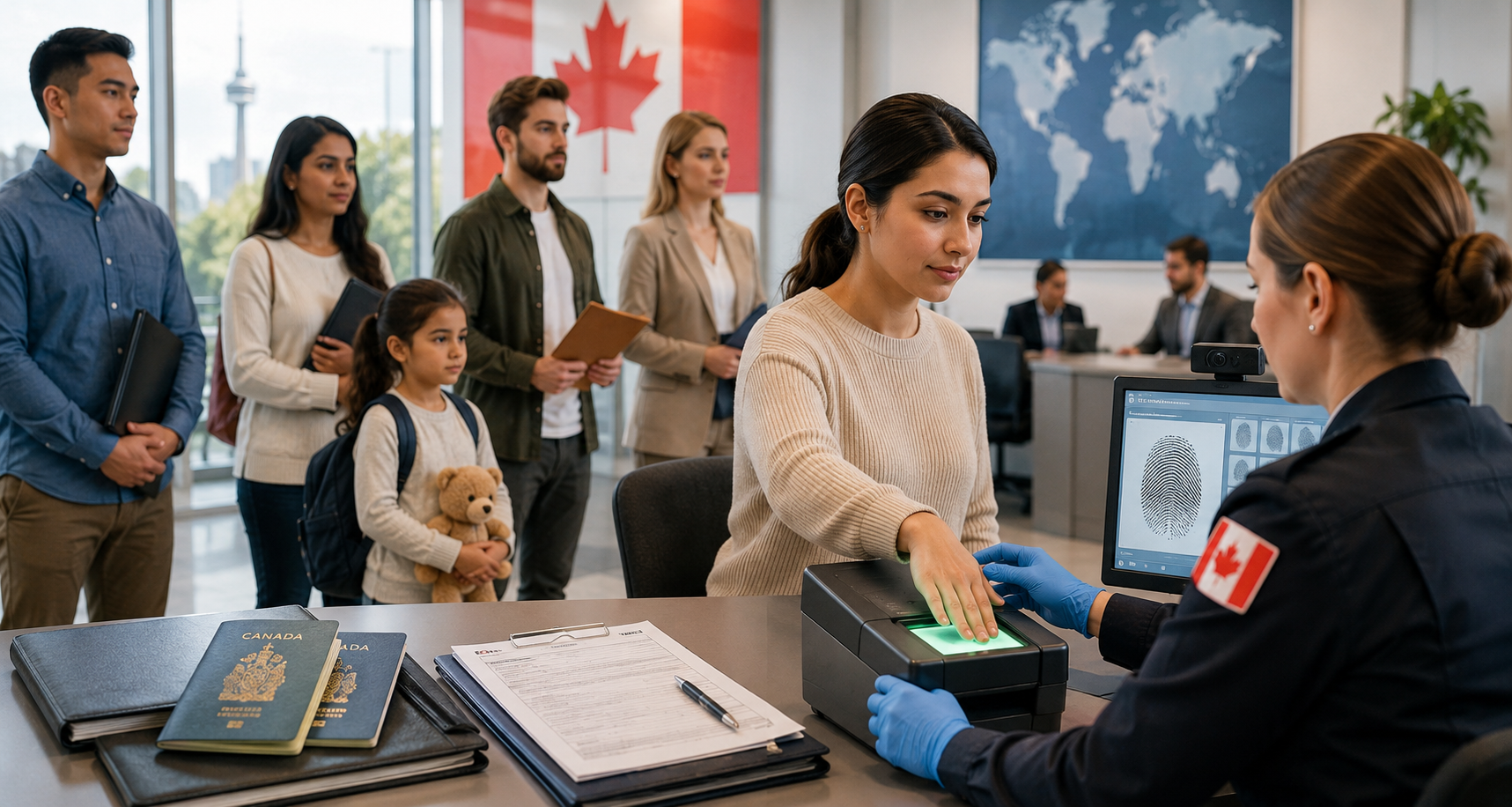
Immigration fingerprinting in Canada is the process of giving fingerprints and a photo so IRCC can verify identity and complete background screening for an application. For many applicants, it is a required biometrics step; for others, IRCC may request fingerprints later for an RCMP criminal record check during processing.
For PR, citizenship, and work permit applicants, the most important thing is understanding which rule applies to your file. A biometrics appointment, an RCMP fingerprint request, and a citizenship request for fingerprints are not always the same thing, and confusing them can delay an application unnecessarily.
Who this guide is for
This guide is for newcomers, permanent residence applicants, citizenship applicants, and foreign workers applying from inside or outside Canada. It is also useful for employers and immigration support teams that help applicants complete fingerprinting requirements correctly.
If the application is tied to IRCC, the right fingerprint service matters. The wrong location, missing document, or missed deadline can slow the file down.

PR, citizenship, and work permits
Permanent residence
Permanent residence applicants are commonly required to give biometrics, including fingerprints and a photo, unless they are exempt. IRCC uses biometrics to confirm identity and support background screening for the application.
Citizenship
Citizenship applicants are generally not asked for biometrics as part of the standard application, but IRCC can request fingerprints later if it needs an RCMP criminal record check. In that case, the applicant must complete the fingerprint request within the timeframe provided by IRCC.
Work permits
Work permit applicants usually need biometrics unless they are exempt or already have valid biometrics on file. This is especially important for foreign workers extending a permit or submitting a new work permit application from within Canada.
If biometrics were given for an earlier application, they may still be valid depending on the file and timing, but applicants should always follow the instructions attached to the new application. Biometrics are not automatically universal across all immigration categories.
How long biometrics stay valid
For many visa and permit applicants, biometrics are valid for 10 years. That means a person who already gave biometrics for a previous application may not need to do it again immediately, but the rules still depend on the current application type and IRCC instructions.
IRCC also explains that fingerprints and photos are retained for a set period, with retention rules varying by file type and application category. Applicants should not assume a previous biometrics submission automatically covers every future immigration file.

Common mistakes to avoid
- Booking the wrong type of appointment for the request letter.
- Assuming old biometrics always apply to a new file.
- Missing the deadline on an IRCC fingerprint request.
- Not bringing the correct identification to the appointment.
- Confusing citizenship fingerprint requests with standard biometrics collection.
Step-by-step process
Read the IRCC Letter
Read your IRCC letter carefully and confirm whether you need biometrics or an RCMP criminal record check.
Check Your Eligibility
Verify whether you are exempt or if your previous biometrics are still valid before booking.
Book Your Appointment
Schedule the correct appointment at an approved biometric or fingerprint collection site.
Bring Required Documents
Carry your identification, IRCC letter, passport, and any required supporting documents.
Complete Before Deadline
Attend your appointment and complete the required process before the deadline in your letter.
Keep Proof of Completion
Save your receipt or confirmation as proof that your fingerprinting or biometrics were completed.
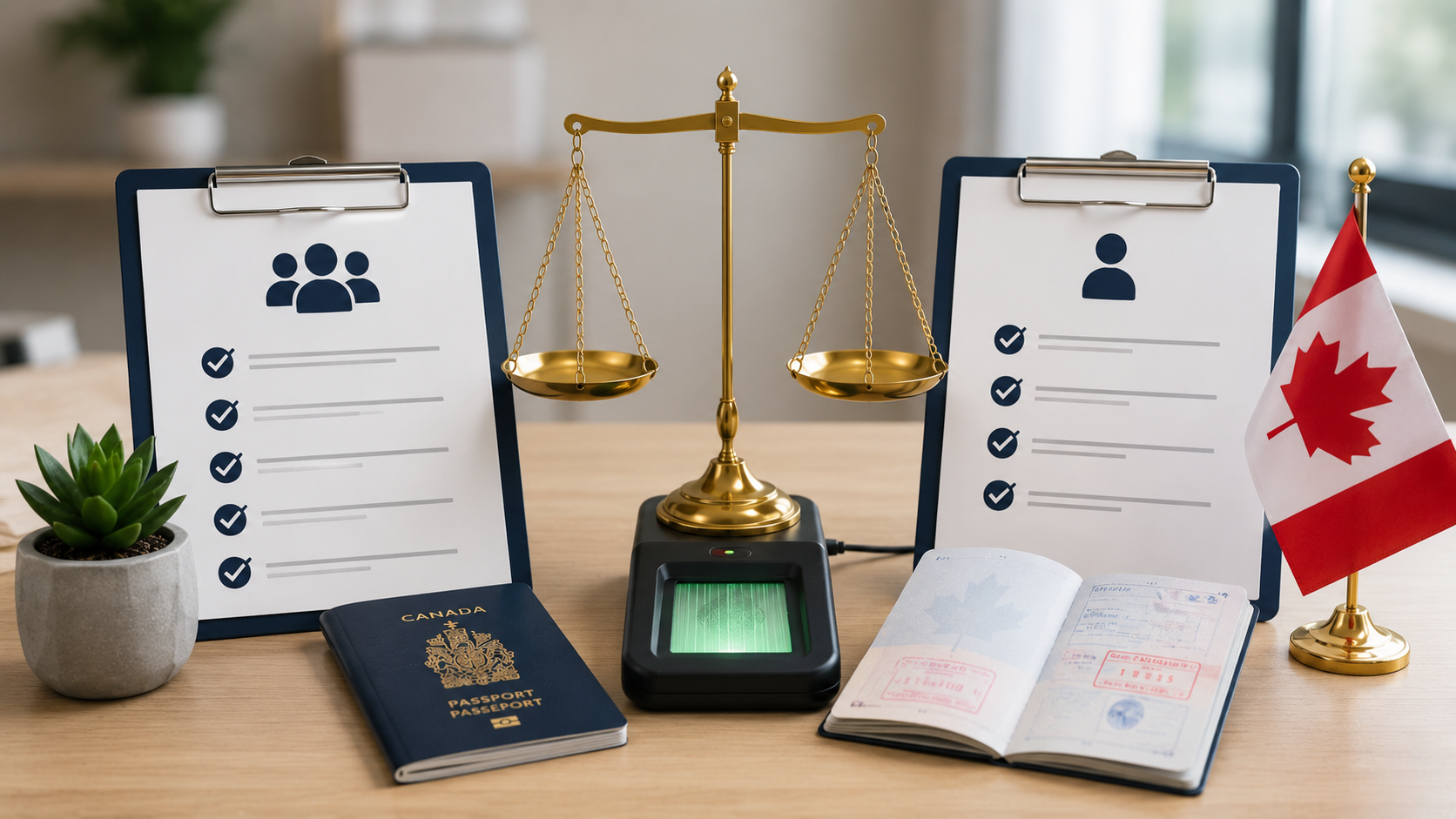
Comparison table
| Application Type | Usually Needs Fingerprints? | Main Reason | Typical Action |
|---|---|---|---|
| Permanent Residence (PR) | Yes, unless exempt | Identity and background screening | Book a biometrics appointment. |
| Canadian Citizenship | Not usually, but sometimes requested | RCMP criminal record check | Complete the request if IRCC asks. |
| Work Permit | Usually Yes, unless exempt or biometrics are still valid | Biometrics for application processing | Use your Biometrics Instruction Letter (BIL). |
Who should use this information
This guide is most useful for applicants who are waiting on an IRCC request, newcomers who want to avoid delays, and support teams that help multiple applicants complete the right fingerprinting step. It is especially relevant for people applying from Brampton, the GTA, and Ontario, where many applicants need a clear local process and quick appointment booking.
It is less useful for people who are not dealing with an IRCC application at all, or for applicants who already received final instructions from a lawyer or licensed immigration representative.
Why Lotey Fingerprinting matters here
For applicants, fingerprinting is often the part of the immigration process that creates the most uncertainty. The value of a local provider is not just taking prints, but helping applicants understand the difference between biometrics, RCMP fingerprinting, and application-specific instructions. That makes the process easier to complete correctly the first time.
Immigration fingerprinting in Canada is not one rule for every applicant. PR applicants usually need biometrics, citizenship applicants may be asked only if IRCC requests fingerprints, and work permit applicants usually need biometrics unless they are exempt or already covered. The safest approach is to follow the instructions on the current IRCC letter, book the correct appointment, and complete the request on time.
FAQ: Your Questions Answered
Do all PR applicants need fingerprints in Canada?
Most PR applicants do, unless they are exempt under current IRCC rules.
Do citizenship applicants always need biometrics?
No. Citizenship applicants are generally not asked for biometrics unless IRCC specifically requests fingerprints during processing.
Can work permit applicants reuse old biometrics?
Sometimes. Biometrics can be valid for 10 years in many cases, but the new application instructions always control.
Where should I go for fingerprints?
It depends on the request. Biometrics are often completed at Service Canada or a designated collection site, while RCMP fingerprint requests may require a different provider.
What happens if I miss the deadline?
Missing the deadline can delay the application, so it is important to book and complete the request as soon as possible.

Navneet Lotey
Navneet Lotey has over 5 years of experience in fingerprinting. He aims to deliver accurate, easy-to-understand fingerprinting solutions for individuals and businesses alike.